Understanding Ankle Pain

Ankle pain can begin with one awkward step or develop gradually without an obvious injury. A sudden twist, fall, or sports impact may damage the joint. Repeated activity, weak supporting muscles, tight calves, previous sprains, joint changes, and increased body load may also contribute. Several factors often overlap, making ankle discomfort difficult to explain from […]
The Real Reasons Your Neck Keeps Hurting

When your neck keeps hurting, the reason is not always one obvious injury. Hours spent looking down at a phone, leaning toward a laptop, or sitting with poor posture can gradually strain muscles and joints. An unsuitable pillow, emotional stress, an earlier injury, or age-related joint changes may also contribute to ongoing neck pain. Recognizing […]
Shoulder Pain: What’s Behind It

Shoulder pain can make lifting, reaching, sleeping, dressing, or exercising uncomfortable. It may develop after repeated movement, muscle weakness, tightness, poor posture, gradual joint changes, a fall, or an earlier injury. Several factors may overlap, so the same symptom can have different explanations. Notice when the problem started and which movements worsen it. Swelling, weakness, […]
7 Common Reasons Your Knee Hurts

When your knee hurts, even simple movements like walking, climbing stairs, or rising from a chair can feel difficult. The problem may develop after repeated activity, weak or tight muscles, a sudden twist or fall, gradual joint changes, extra body weight, or an earlier injury. Often, more than one factor contributes to knee discomfort. Paying […]
7 Common Causes of Lower Back Pain

Lower back pain can turn ordinary movements like standing, bending, or getting out of bed into difficult tasks. This lower back discomfort may appear after one obvious strain or develop gradually from several overlapping factors. Common causes include overworked muscles, repeated movements, poor posture, spinal disc problems, age-related changes, extra body weight, and sudden injuries. […]
Kinesiology Tape Stretch Percentages Explained Simply

Choosing the right stretch is essential when applying therapeutic tape. Understanding kinesiology tape stretch can be confusing when percentages vary between techniques. These numbers show how far the tape is lengthened during application; they are not scores for support or quality. Elastic therapeutic tape tension should match the purpose, strip shape, direction, and placement. Some […]
Choosing Kinesiology Tape: What You Need to Know

Rows of similar-looking tape can make a simple choice feel surprisingly difficult. When choosing kinesiology tape, it is easy to compare only price or adhesive strength. However, the cheapest tape may not feel comfortable, while the strongest adhesive may irritate your skin. Selecting the right therapeutic strip means looking beyond one appealing feature. Comfort, adhesion, […]
7 Common Kinesiology Tape Mistakes and How to Avoid Them
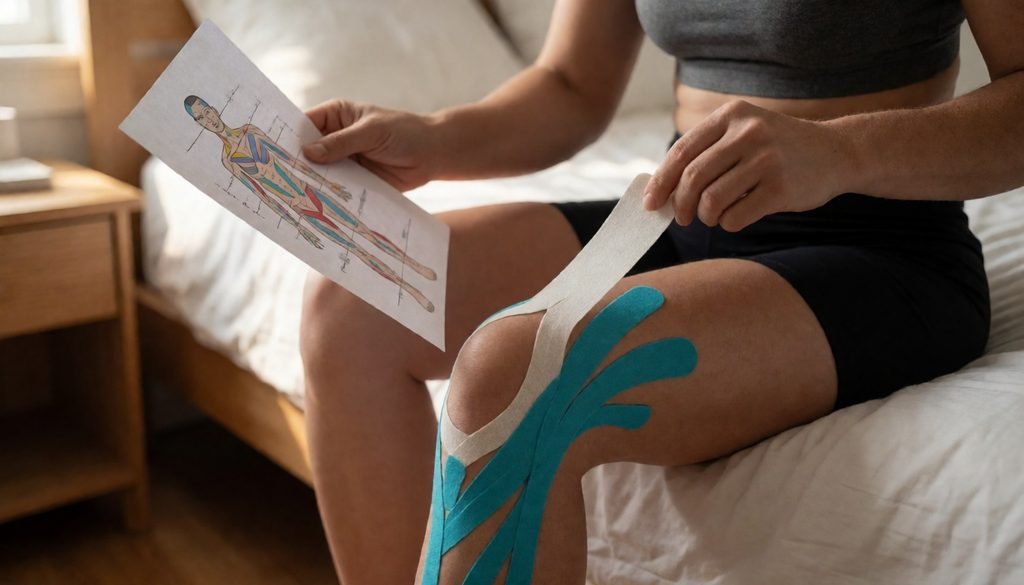
Kinesiology tape can lose its grip or become uncomfortable when small application details are overlooked. Many kinesiology tape mistakes begin before the strip even touches the skin. Others involve poor positioning, excessive stretch, or becoming active too soon. These common taping errors can cause lifting edges, weak adhesion, wrinkles, or skin irritation. Fortunately, most problems […]
How to Remove Kinesiology Tape Safely

Removing tape should not feel like pulling a bandage from sensitive skin. To remove kinesiology tape safely, soften the adhesive before gently lifting an edge. Hold the skin beside the strip, and slowly roll the tape back over itself instead of pulling it upward. This controlled method reduces unnecessary tugging on the skin and body […]
Kinesiology Tape Wear Time: How Long Can You Wear KT Tape?
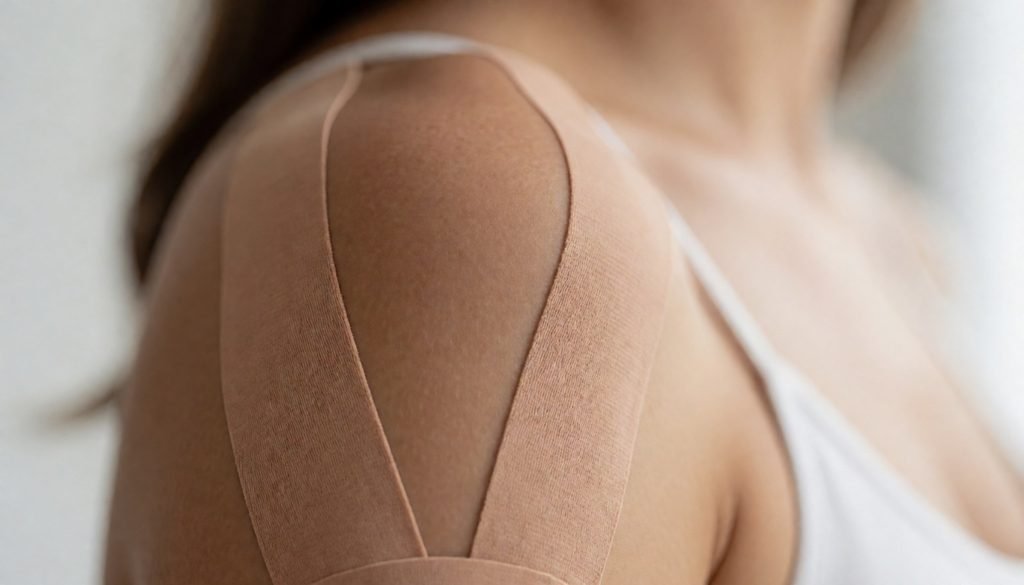
Kinesiology tape often stays attached for three to five days, but the calendar should not make the final decision. Each product has its own wearing limit, and your skin’s condition can shorten that period. A therapeutic adhesive strip that begins causing itching, burning, redness, or discomfort should be removed early. Leaving tape attached longer does […]