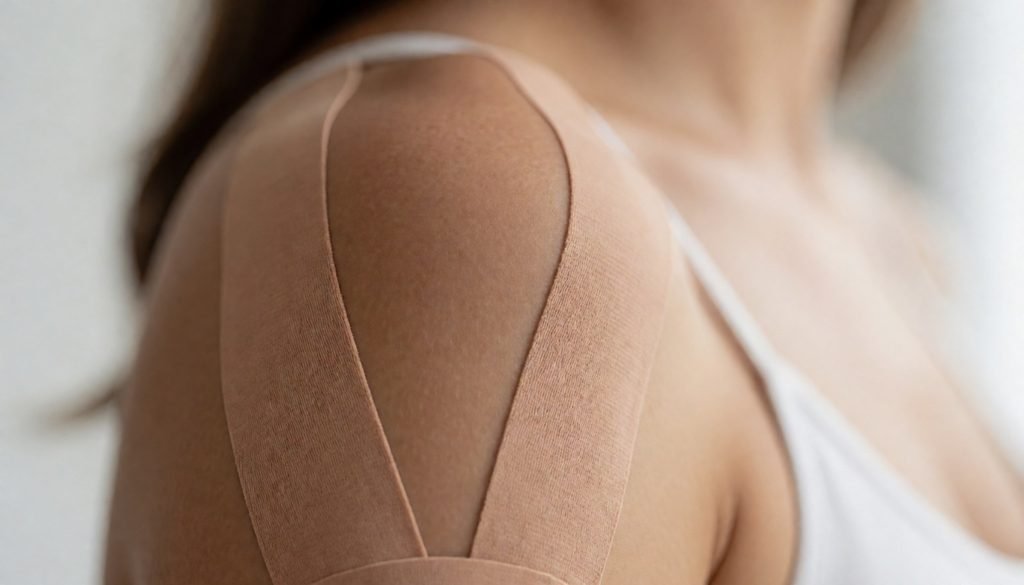
Kinesiology tape often stays attached for three to five days, but the calendar should not make the final decision. Each product has its own wearing limit, and your skin’s condition can shorten that period. A therapeutic adhesive strip that begins causing itching, burning, redness, or discomfort should be removed early. Leaving tape attached longer does not make it more effective. Check the package instructions before application, examine your skin every day, and let comfort and safety decide when wear time ends.
How Long Do Support Strips Last?

Before opening the wrapper, read the product’s recommended wearing limit. Tape products differ in fabric, adhesive strength, and water resistance, so one brand’s limit may not apply to another. Three to five days is the usual wearing period for many products, but the package remains your final guide. It explains how many days the strip stays attached under its intended conditions. Remove it sooner if the edges lift widely, the tape becomes dirty, or your skin feels irritated. A strip still sticking after the stated limit is not a reason to keep wearing it. Following the specific instructions protects both adhesion and skin comfort.
Give the Adhesive Time to Set
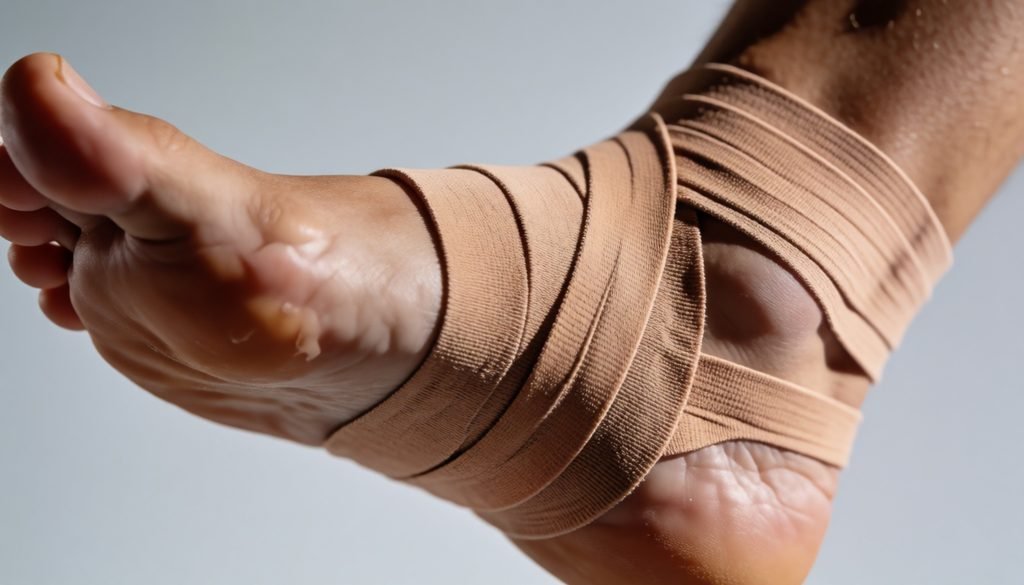
Strong adhesion starts with careful preparation. Apply the tape only after washing the area and allowing the skin to dry completely. Oil, lotion, sweat, and moisture can prevent the adhesive from forming a reliable bond. Once the strip is attached, wait approximately one hour before exercising, swimming, or sweating heavily. This quiet setting period can improve how long the adhesive stays secure. Beginning activity too soon may loosen the edges and shorten the adhesive wear duration. Plan the application early enough to protect that first hour. A properly prepared surface and full setting period give the adhesive wear duration a stronger, more reliable start overall.
Protect and Dry the Strip After Water
Most support strips can handle normal showering and sweat after the adhesive has fully set. Still, check the package because water resistance differs between products. A common question is: “Can you shower with support strips?” Usually, yes, but wearing support strips in the shower requires gentle care. Avoid scrubbing the surface, pulling loose edges, or rubbing the wet tape with a towel. After getting adhesive strips wet, gently press a clean towel against them to absorb extra water. Leave the area uncovered and let the strips finish drying naturally. Careful handling protects the adhesive and reduces unnecessary lifting during continued wear, especially at the edges.
Skin Reaction Signs to Check Every Day
Make a daily skin check part of wearing the tape. Look closely along every edge and through any gaps between strips. If an edge begins lifting, check the newly exposed skin underneath without pulling the tape farther. The main skin reaction signs include spreading redness, itching, blisters, swelling, unusual discoloration, or broken skin. Pain or tenderness that keeps worsening also needs attention. These symptoms of skin irritation can start small and become stronger with continued wear. Checking every day helps catch changes early. If discomfort develops beneath a covered area, remove the strip gently rather than waiting to see the skin after normal removal.
Remove the Strip When Warning Signs Appear
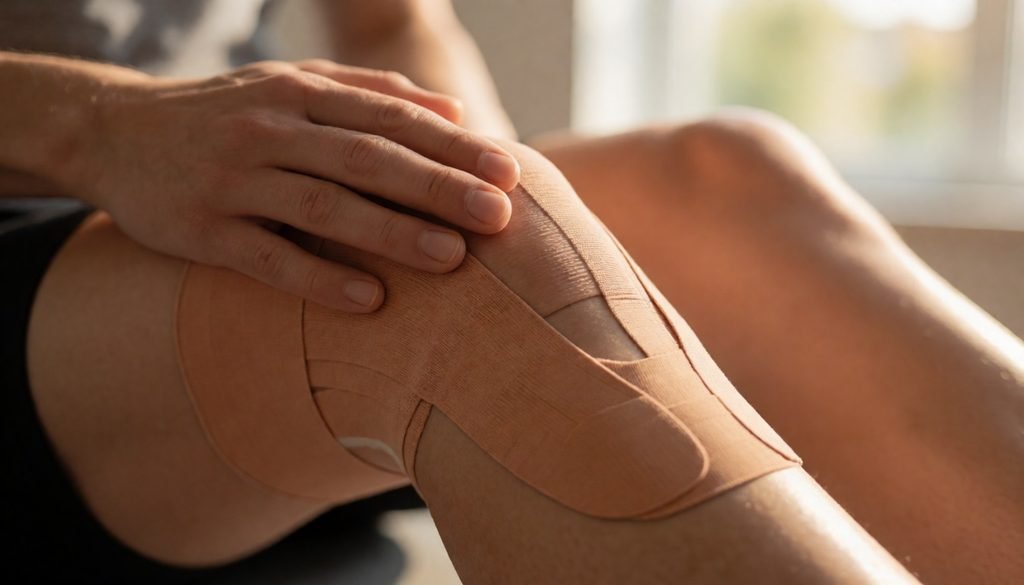
The planned wearing limit no longer matters when warning signs develop. If you are wondering, “When should adhesive strips come off?” act immediately for burning, numbness, tingling, worsening pain, or strong irritation. These are signs the strip should come off early, even if the fabric looks clean and the edges remain secure. Spreading redness, swelling, blisters, discoloration, or broken skin also show when removal becomes necessary. Peel the tape away gently, following the product’s removal instructions, then inspect the covered area. Do not value adhesion over comfort. Protecting your skin is more important than completing the expected wearing period or keeping the strip attached longer.
Let Your Skin Recover Before Reapplying
Removing one strip does not mean the skin is ready for another. After removal, wash the area gently with mild soap and water, then pat it dry. Inspect the entire covered area for redness, swelling, tenderness, blisters, or broken skin. If the skin feels itchy, sore, warm, or unusually sensitive, leave it uncovered. Do not tape over irritated or damaged skin, even when you need support for the same activity. Wait until the area has completely recovered and looks and feels normal again. Recovery may take longer after a noticeable reaction. If symptoms remain or worsen, seek advice from a qualified healthcare professional before reapplying.
Let Your Skin Decide When Wear Time Ends
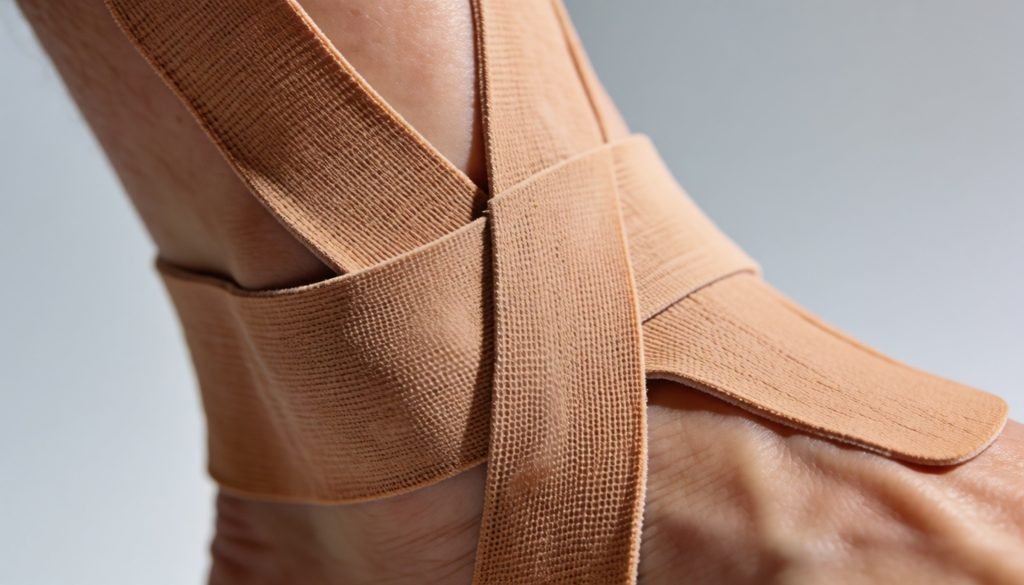
Three to five days is a common wearing range for kinesiology tape, not a goal everyone should reach. Your product’s stated limit sets the maximum, while your skin’s response may end wear sooner. Remove an elastic therapeutic strip if it loosens, becomes dirty, or causes irritation, pain, or unusual sensations. Keeping it attached longer is never more important than protecting your skin. As your next step, learn how to protect the tape from unnecessary damage and remove it slowly and correctly.
Link Placement
1 Link the words “three to five days” in the introduction.
This supports the common wearing range. (kinesiotaping.com)
2 Link the words “wait approximately one hour” in H2 #2.
This supports waiting before activity, showering, or heavy sweating. (Kinesio Taping)
3 Link the words “skin reaction signs” in H2 #4.
This supports monitoring irritation and stopping tape use when problems develop. (PMC)
Final article body word count: Approximately 792 words.