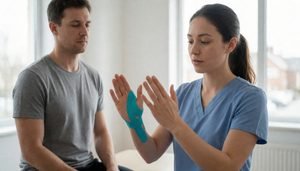
Nagging calf pain does not always begin where you feel it. A demanding workout may be responsible, but weakness, limited ankle movement, tendon changes, extra pressure, or an old injury may also contribute. Sometimes several factors work together, making the real cause difficult to recognize. Pain location alone cannot confirm the problem because different conditions can create similar aching, tightness, or tenderness. Understanding these hidden causes can help you connect symptoms with daily activity, exercise, and past injuries before choosing your next step or deciding when professional assessment is needed.
Overuse and Sudden Training Increases

Overuse is the most common starting point for calf discomfort, especially after running, jumping, hills, or repeated push-offs. These activities make the calf contract repeatedly to control landing and drive the body forward. If distance, speed, intensity, or training frequency increases too quickly, the muscle is loaded faster than it can adapt. The result may be recurring pain after training that also appears during walking or stair climbing. If you wonder why does my calf keep hurting, compare when symptoms began with recent workload changes. Learning to build mileage gradually allows recovery and adaptation. Calf pain that won’t go away often continues when demanding sessions are repeated without enough rest. Tracking activity and symptoms can help show whether overload is driving the problem.
Weak Ankle Mobility, Tightness, and Poor Mechanics

The calf does not work alone. It depends on ankle movement, foot control, and strength throughout the back of the leg. Weak calves cannot control landing or push the body forward efficiently. When that weakness appears alongside weak ankle mobility, the muscle compensates by working harder during walking, running, and climbing. Limited motion in the ankle may cause the heel to rise early or force the foot to change position. Tight hamstrings, a stiff Achilles tendon, or poor foot mechanics can add further pulling and uneven pressure. These factors change how the lower leg absorbs impact and transfers force into the next step. Repeating that altered pattern can produce fatigue, tightness, and soreness. Building strength, restoring movement, and improving foot control can help the calf share the workload more evenly.
Sudden Strains and Partial Tears

A sudden strain begins in one identifiable moment. It may happen when you sprint, jump, change direction, or push off with more force than the calf can control. The rapid load overstretches the muscle or makes it contract too strongly, damaging some of its fibers. A mild strain may cause a sharp pull and localized tenderness. A partial tear can bring stronger pain, swelling, bruising, weakness, or difficulty raising the heel. Unlike gradual overuse, these symptoms usually start immediately rather than building across several workouts. Many people can identify the exact step or movement when something felt wrong. Stop the activity instead of testing the leg repeatedly. Continuing to run or jump may separate more fibers and turn a smaller injury into a longer recovery.
Calf Tendon Stiffness, Wear, and Tendonitis

Tendons transfer force from the calf muscles into the foot whenever you walk, climb, run, or rise onto your toes. When the tendon faces repeated stress without enough recovery, small changes can accumulate faster than the tissue can repair them. This process usually develops slowly, without the sharp moment linked to a muscle strain. At first, you may notice a dull ache after activity or during the next morning. Calf tendon stiffness is a stronger clue, particularly when the first steps after sitting or sleeping feel restricted. A tight, stiff tendon may ease as you move, then ache again after heavier use. Guidance about tendonitis symptoms also includes tenderness and reduced movement. Because the pattern builds gradually, people may overlook it until stairs, walking, or training repeatedly brings the symptoms back.
Extra Body Weight and Added Pressure

Body weight does not determine a person’s health, fitness, or effort, and it is rarely the only reason symptoms develop. However, more body mass can increase the force the calf manages during standing, walking, climbing stairs, and exercise. If you are wondering, does extra weight cause calf pain, it may contribute, but usually alongside other factors such as training changes, weakness, footwear, or limited recovery. The calf controls added weight with every step as it absorbs impact and pushes the body forward. This extra load on the muscle may seem small once, but it accumulates across hundreds of daily movements. The demand can become more noticeable during long periods of standing or increased activity. Gradual conditioning, suitable footwear, and calf strengthening can improve how comfortably the lower leg manages repeated pressure.
Old Injuries That Never Fully Healed
An old calf injury can stop hurting before the muscle has fully recovered. Everyday walking may feel normal, but strength, flexibility, and control can remain below their previous level. This incomplete healing from before leaves the tissue less prepared for sprinting, jumping, or repeated push-offs. Once training becomes demanding, a previous strain resurfacing may bring familiar tightness, weakness, or aching in the same area. If you are asking can old calf injuries come back, recurrence is possible when rehabilitation ended early or the original loading problem was never corrected. A professional assessment can compare movement, strength, tenderness, and swelling between both legs. Seek help when symptoms persist, worsen, repeatedly stop activity, or make ordinary walking difficult. A clinician or physical therapist can identify what remains vulnerable and plan a safer return to exercise.
Conclusion
Calf pain often comes from more than the place that hurts. Overuse, weakness, restricted movement, sudden injury, tendon changes, added pressure, and incomplete healing can all create similar symptoms. That is why pain in the calf alone cannot show which cause applies. Notice when symptoms begin, what activity brings them on, and whether stiffness, swelling, or weakness is present. These details provide better clues than location alone. If the problem persists, worsens, or repeatedly returns, schedule an assessment with a qualified healthcare professional. Finding the likely cause is the clearest next step toward safer movement and fewer setbacks.