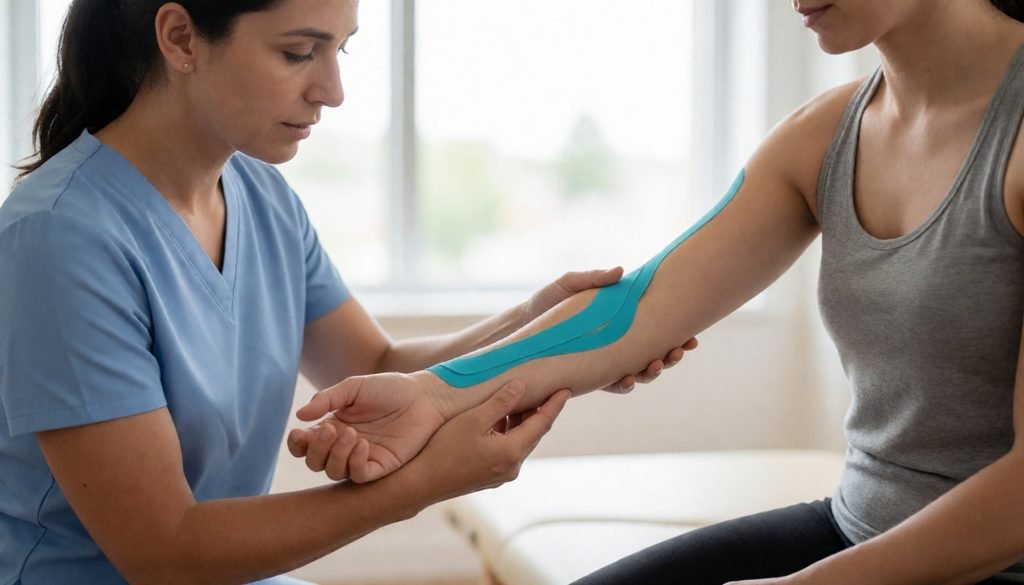
Good taping should feel comfortable, not tight or painful. Kinesiology tape safety starts before the strip touches your skin. The taped area should move normally and keep its usual warmth, color, and sensation.
Safe use of kinesiology tape means checking the area and applying the correct tension. Seven rules cover healthy skin, adhesive testing, understanding the problem, correct tension, unstretched anchors, loose wrapping, and careful removal.
If numbness, burning, swelling, or color changes develop, remove the tape. Severe, unexplained, or continuing symptoms need professional advice rather than another tape application.
Apply Only to Healthy Skin
Start with clean, dry skin. Wash the area gently, then let it dry completely. Avoid lotion or oil because the adhesive may not hold well. Inspect the entire area under good light.
Safe use of kinesiology tape means applying it only to intact, calm skin. Avoid cuts, burns, rashes, infections, and areas that are already red or irritated. Damaged skin has a weaker protective surface. Adhesive and movement may pull on that area, causing irritation or pain. Removal can also lift fragile, healing skin.
If the area is weeping, unusually warm, or painful, leave it untaped and seek advice.
Skin Reaction Symptoms to Watch For
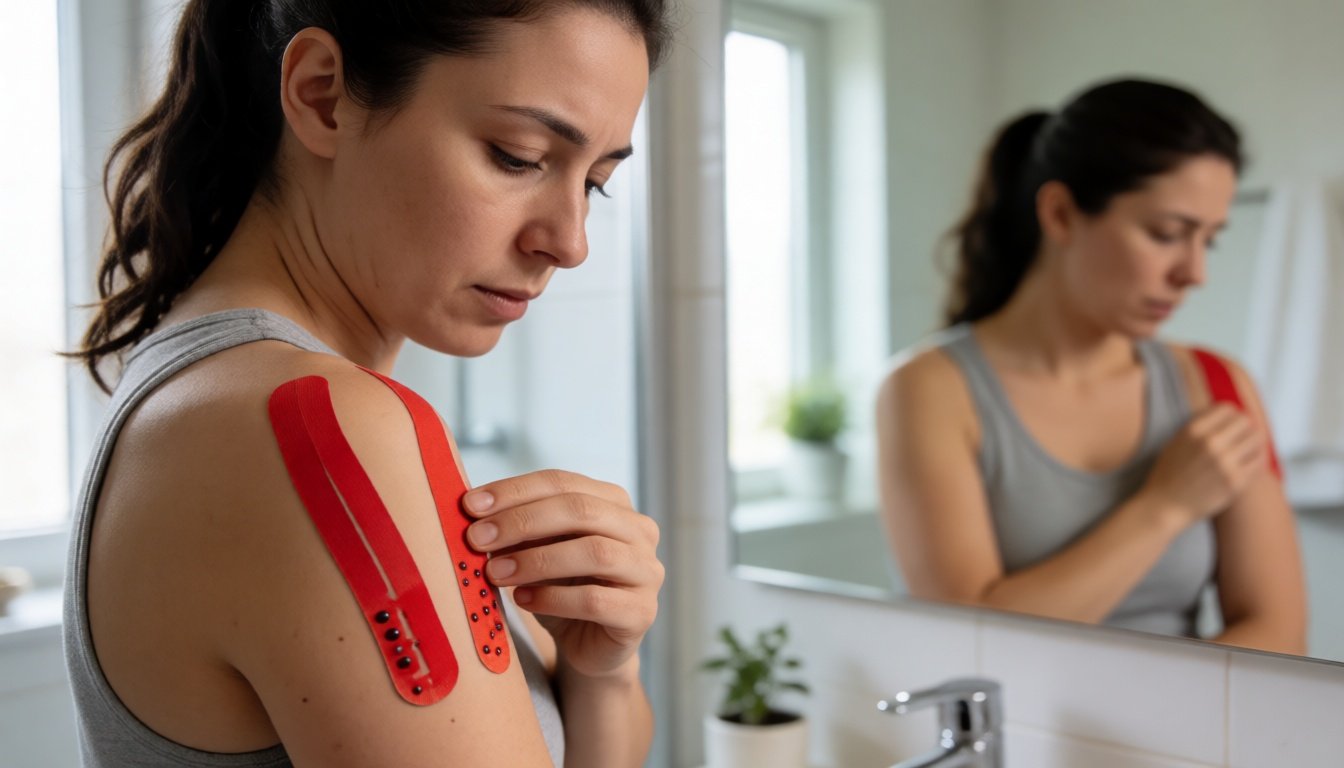
Test a small strip on healthy skin before a full application. This helps first-time users or people with sensitive skin. Leave the test strip for 24 hours, unless discomfort starts earlier. Check the area during the test and after removal.
Skin reaction symptoms can include strong itching, burning, redness, swelling, or blisters. These signs of an unwanted skin reaction mean you should remove the tape. Do not continue testing through discomfort.
A test lowers surprise risk but cannot guarantee future tolerance. Anyone with a known adhesive allergy should avoid the product and seek professional advice about alternatives.
Know What You Are Taping
Tape is not a diagnosis. Before applying it, understand what may be causing the problem. Do not use tape to hide sudden, severe, or unexplained pain.
After a serious injury, seek assessment for major swelling, deformity, or difficult movement. One swollen limb with warmth, redness, or calf pain may signal a blood clot. Do not tape it; seek urgent medical assessment. Chest pain or breathing difficulty with limb swelling requires emergency help.
Seek professional advice before taping an area with poor circulation or reduced sensation. You may miss excessive pressure, skin damage, or circulation changes.
Use Only the Required Tension
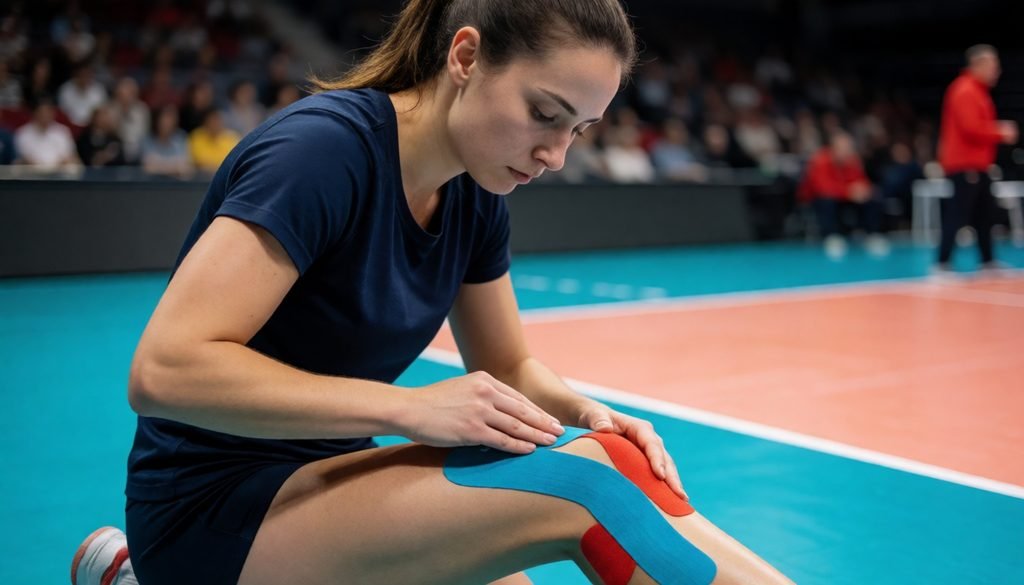
More stretch does not mean more support. Check the application instructions before pulling the tape. How much stretch to apply changes with the purpose, body area, and strip section. Some techniques require no tension; others use light or moderate tension.
The correct amount of stretch should allow comfortable movement without strong pulling. Use the instructions when deciding how far to pull the material. KT tape should remain flexible.
Excessive tension increases stress on the skin and may cause redness, strong itching, or blisters. If the tape feels tight, pinches, or burns, remove it and check your skin.
Why Anchors Need No Stretch
Each strip has one anchor at the start and one at the end. These short sections hold the tape in place. Put both anchors down without pulling them. This explains why both ends remain unstretched.
A stretched anchor may pull back as the tape settles. This can tug the skin, lift the edges, or cause sore red spots. Keeping the anchors unstretched helps the ends stay flat.
Place the first anchor with no stretch. Stretch the tape only where the instructions show. Before placing the final anchor, stop pulling the tape. Lay it down gently, then rub both ends to help them stick.
Never Wrap KT Tape Tightly
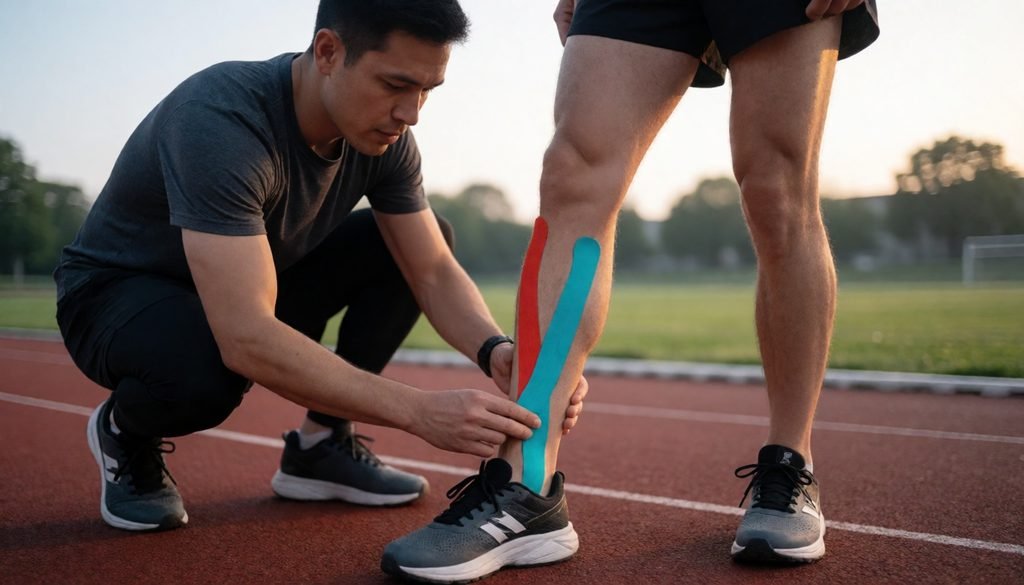
Never pull KT tape tightly around a limb, finger, or toe. Meeting ends can make the tape act like a tight band. Pressure may increase if the area swells or moves. Learn the circulation warning signs before applying tape this way.
Watch for numbness, tingling, swelling, cold skin, or color changes below the tape. These signs that blood flow may be restricted mean you should remove the tape immediately.
After removal, warmth, normal color, and sensation should return. If circulation warning signs continue, seek urgent medical advice. Chest pain, breathing difficulty, or sudden severe swelling requires emergency medical help.
Remove the Tape if Problems Develop
Remove the tape immediately for burning, strong itching, spreading redness, or blisters. Also remove it for numbness, swelling, color changes, or worsening pain. Never rip it off quickly.
If you want the best way to remove adhesive, soften the glue first. Warm water or skin-safe oil is a gentle method for loosening the glue. Wait briefly for it to soften. Hold the skin down, then slowly roll the tape back.
Removing the sticky material carefully takes patience. Add water or oil if the tape still pulls. Wash the remaining glue gently. Seek advice if serious symptoms continue after removal.
Use Tape Without Harming Your Skin
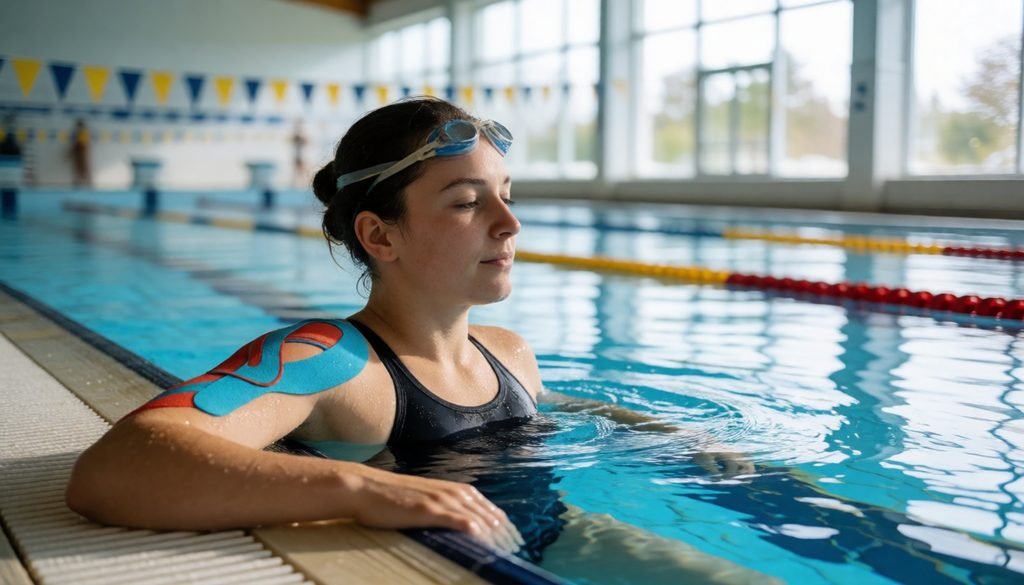
Applied safely, KT tape feels comfortable and allows normal movement. The skin should keep its usual warmth, color, and sensation. Kinesiology tape safety requires healthy skin, correct tension, unstretched anchors, and no tight wrapping.
Using kinesiology tape safely means noticing warning signs early. Burning, itching, numbness, swelling, color changes, or worsening pain are warnings—not proof the tape works. Remove it slowly when problems appear. Seek professional advice when symptoms are severe, unexplained, or continue after removal.