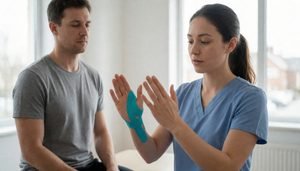
Removing tape should not feel like pulling a bandage from sensitive skin. To remove kinesiology tape safely, soften the adhesive before gently lifting an edge. Hold the skin beside the strip, and slowly roll the tape back over itself instead of pulling it upward. This controlled method reduces unnecessary tugging on the skin and body hair. If the adhesive still feels strong, apply more oil and allow extra time for it to loosen. After removal, clean and inspect the area, then let irritated skin recover before applying fresh tape.
How to Loosen Stubborn Glue
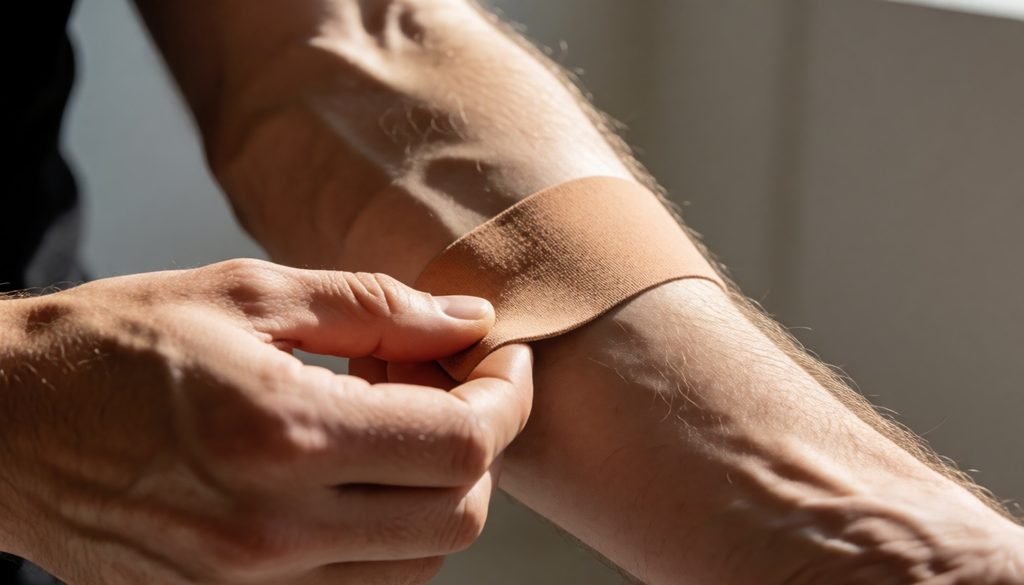
Begin taking off therapeutic strips safely by covering the tape with baby oil, body oil, or a skin-safe adhesive remover. Leave it for approximately 5–15 minutes so the product can soak through the material and weaken the glue. This step begins softening a firm adhesive bond, making the tape easier and more comfortable to remove. Add extra product around dry edges or areas that remain firmly attached. Do not rush or pull harder when the tape resists. Helping stuck adhesive release requires enough product and time. Test one edge gently after waiting. If it lifts without strong resistance, continue to the next step. If it remains firmly attached, apply more product and wait a little longer.
Loosen One Edge
Once the adhesive has softened, gently loosen one corner with your fingertips. Avoid scratching the skin or sliding anything sharp beneath the strip. If the edge stays firmly attached, add more oil underneath and give it another few minutes. The best oil for sticky bandages is a skin-safe product that can reach the glue without causing irritation. Baby oil or body oil may work well for many people. Choosing oil for stubborn adhesive is only part of the process; enough soaking time also matters. Using body oil beneath the edge can help it separate more smoothly. If the corner resists, never force it upward. Add more product and wait until the grip weakens.
Support the Skin
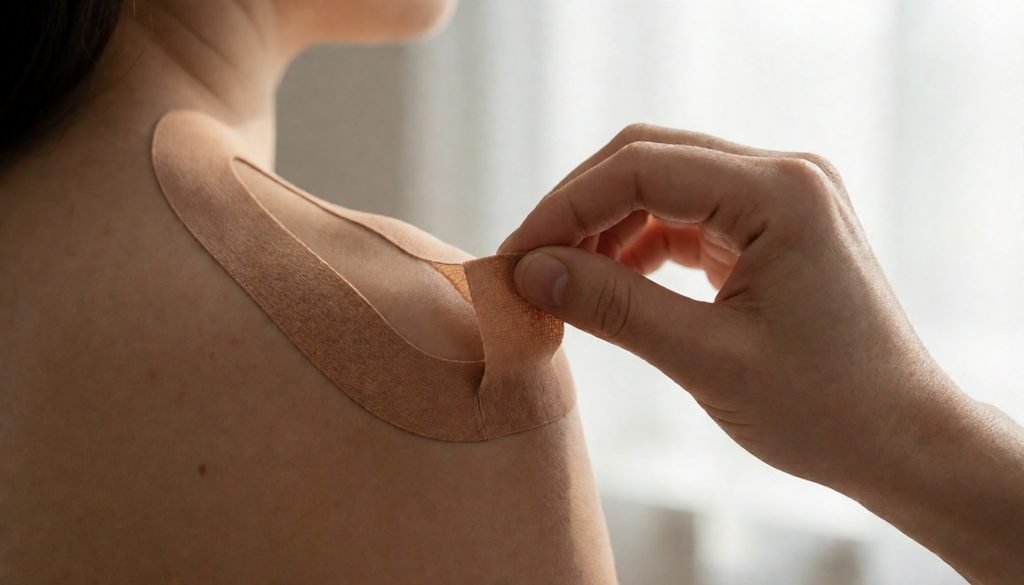
Once the edge is loose, place your free hand immediately beside it. Hold the skin gently in place while the other hand begins moving the tape. This close support offers gentle skin protection because the adhesive pulls against your hand instead of lifting the skin freely. Keep moving your supporting hand along the strip as each small section comes away. This technique helps with reducing unnecessary skin pulling, discomfort, and irritation. Effective gentle skin protection requires steady support, not hard pressure or pinching. Keep your movements slow and controlled throughout the process. Stop removing the tape if you notice sharp pain, burning, broken skin, or any other unexpected reaction.
Roll the Tape Back
Keep the tape low and close to the body instead of lifting it away from the skin. Slowly roll the loosened edge back over itself, releasing a small section with each movement. The common question “why peeling strips hurts skin” often comes down to speed and pulling direction. Pulling upward lifts both skin and body hair, which explains why upward pulling causes discomfort. Removing the strip too quickly also shows how fast peeling irritates the area when the glue has not fully softened. Continue holding the skin beside the removal point and move both hands together. If the tape begins gripping again, stop, add more oil, and wait before continuing.
Follow the Hair Direction
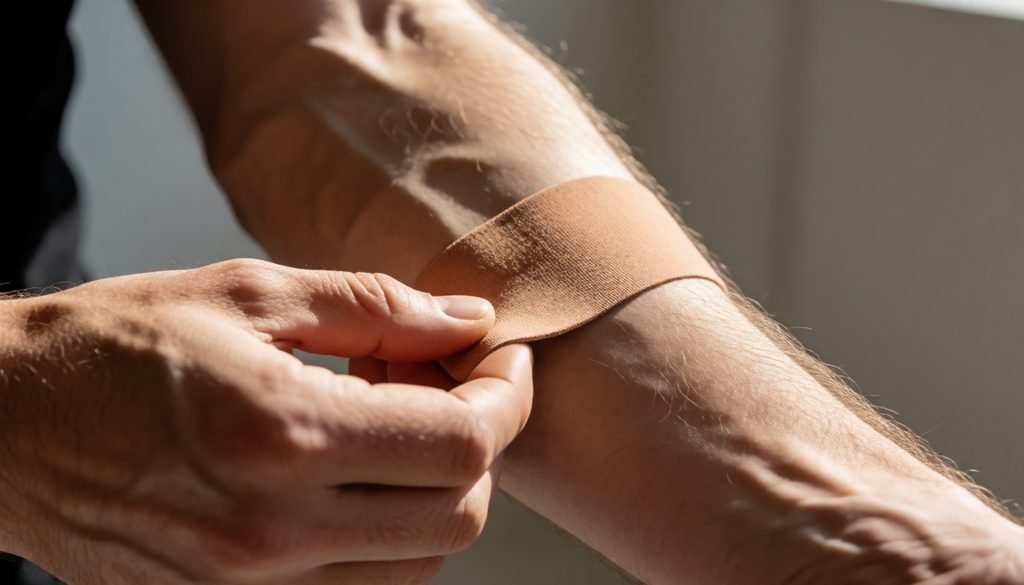
Before removing each section, notice which way the body hair naturally lies. Roll the tape back in the same direction as the hair growth instead of pulling against it. This small adjustment reduces tugging at the roots and can make removal noticeably more comfortable, especially on areas with thicker hair. Continue working slowly while holding the skin close to the point where the tape separates. Remove only a short section at a time rather than pulling away the entire strip. If the tape begins resisting again, add more oil and let the adhesive soften. Hair may grow in different directions across the body, so check and adjust your movement as you continue.
Adhesive Residue Cleanup and Skin Rest
Once the tape is off, finish your adhesive residue cleanup using warm water and mild soap or a skin-safe product made for removing leftover glue. Avoid harsh rubbing because the newly uncovered skin may feel sensitive. Careful adhesive residue cleanup means washing away leftover sticky material without creating further irritation. Rinse the area thoroughly, pat it dry, and examine the skin in good light. Check for persistent redness, soreness, blistering, broken skin, or swelling. Do not cover an irritated or damaged area with fresh tape. Let the skin return to its normal condition before another application. Seek professional advice if a reaction is severe, continues spreading, or does not improve.
Give Your Skin Time to Recover
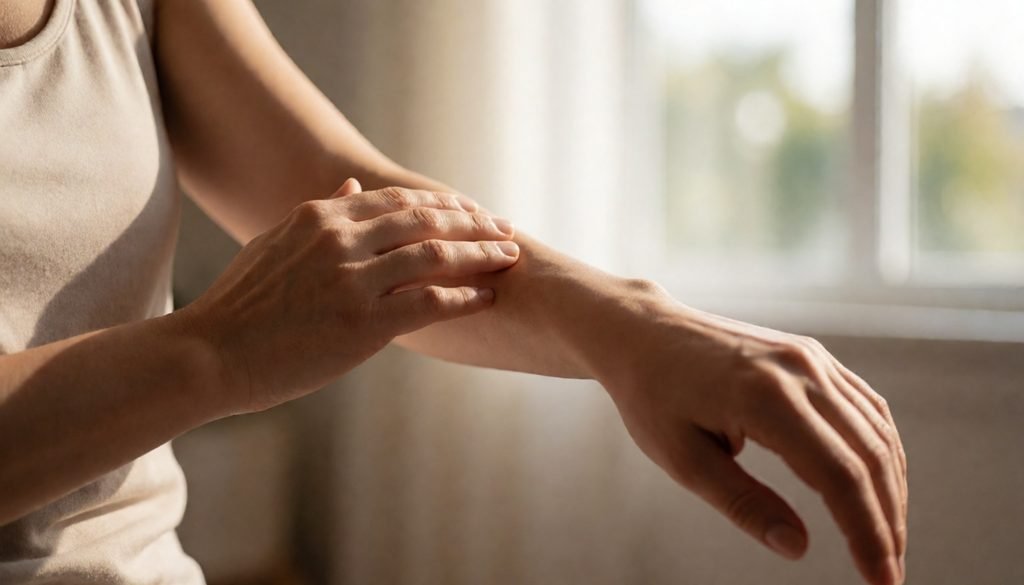
Knowing how to remove kinesiology tape correctly helps protect both skin and body hair. Begin by softening the adhesive, then loosen one edge and support the skin as you slowly roll the strip back. Follow the direction of hair growth, clean away any remaining glue, and inspect the uncovered area. The safe removal of support tape should feel slow, controlled, and comfortable. If the strip still grips firmly, apply more oil instead of forcing it. Stop if pain, burning, blistering, or skin damage appears, and allow the area to recover completely before applying new tape.