

People try KT tape when muscles feel tired, joints feel sore, or movement feels uncomfortable. Kinesiology tape support is light and temporary, allowing the body to move freely.
It may be used around muscles, joints, tendons, and areas with mild swelling. Some people use it to become more aware of their movement. Others try it for temporary discomfort.
However, results vary. Some notice a difference, while others do not. This support from kinesiology tape does not strengthen muscles or repair injuries. It is an extra support, not a cure treatment.
How Tape Can Help Tired Muscles During Exercise
When muscles tire during exercise, movements may feel heavier or less controlled. KT tape stays in contact with the skin as the body bends and stretches. That contact can give a sensory reminder of how the area is moving.
In this way, tape may support overworked muscles while active without adding physical strength. For example, a runner might place tape over a tired thigh during a light training session. They may notice leg movement more clearly, but gain no strength.
The tape may assist fatigued muscles during physical activity, although responses differ. It cannot remove fatigue or replace proper recovery. Rest, suitable training, and a gradual workload still matter.
Can Tape Provide Light Joint Support?

Yes, but the support is light rather than firm. Because KT tape stretches, the joint remains free to move. Its contact with the skin may provide a reminder as the joint bends.
Some people use it hoping for joint stability during movement. However, feeling supported is not the same as being mechanically held in place. Rigid athletic tape limits selected motion and provides firmer support. KT tape allows more movement and cannot stop a joint from moving too far.
Therefore, joint stability during movement still depends mainly on the body’s strength and control. Feeling tape around an ankle may encourage steady joint movement, but it cannot prevent rolling.
How Is Tape Used Around Tendons?
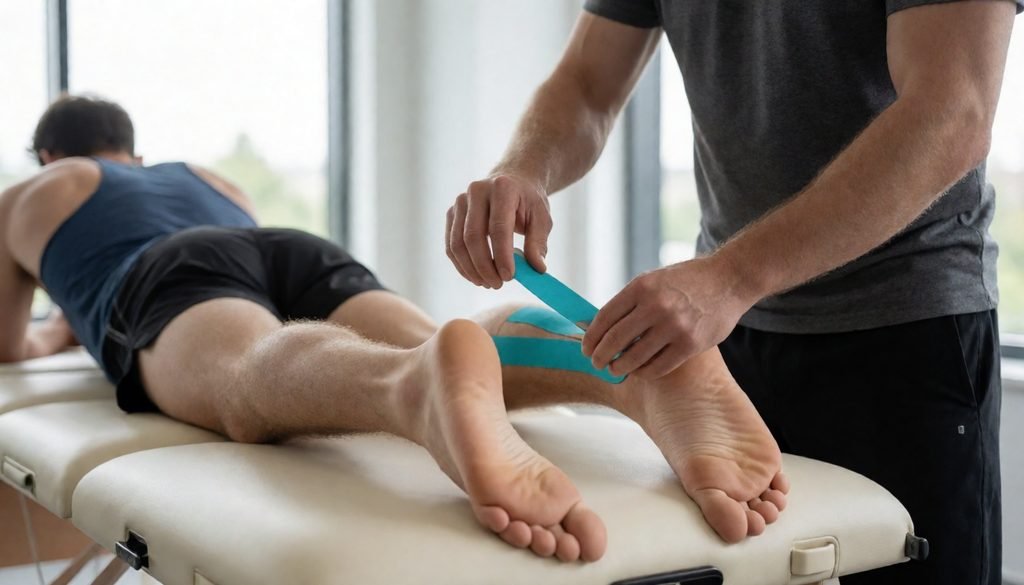
Tape is applied to the skin around a tendon, not to the tendon itself. An elastic strip may follow the tendon while the joint moves freely. As you move, the tape can create a light pull on the skin. That sensation may make the area and its movement easier to notice.
For the patellar tendon, tape may sit just below the kneecap. For the Achilles tendon, a strip may follow the lower leg toward the heel. The goal is movement feedback, not tendon repair.
Even if movement feels more comfortable, the tendon may still be irritated or injured. Tape cannot rebuild damaged tissue. Recovery may require gradual loading, suitable activity, and time.
How Tape May Improve Movement Awareness
KT tape moves with the skin whenever you bend, reach, or walk. Its continued contact gives your brain extra information from the taped area. This may improve body position awareness, although people respond differently.
Tape across the shoulder may remind you when your arm reaches an uncomfortable position. During a squat, tape around the knee may help you be more aware of body position. As you rise, you may notice how the body is positioned and adjust your movement.
The tape does not place the shoulder or knee into perfect alignment. Sometimes support is simply a reminder. It helps you adjust your movement instead of physically holding you in place.
Can Taping Provide Temporary Pain Relief?
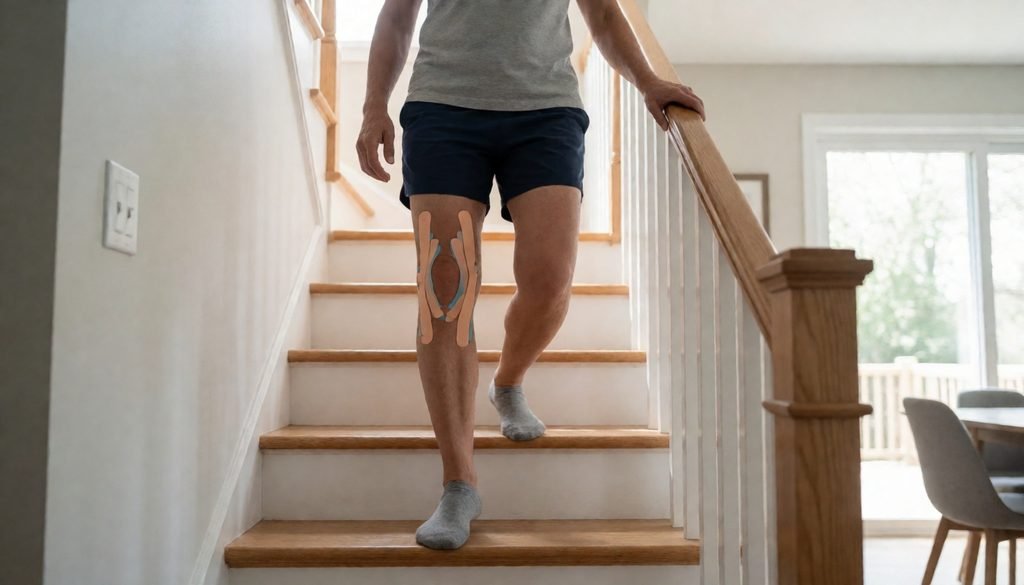
Yes, some people report less discomfort after kinesiology tape is applied. Relief varies from person to person. The tape’s contact with the skin may change how pain is noticed during movement.
For example, someone with a sore knee may find stairs easier for a few hours. This short-term relief from discomfort can make everyday movement feel more manageable. However, temporary pain relief does not mean the injury has healed. It may fade while wearing the tape or after removing it.
Less pain can also tempt someone to do too much too soon. Reduce the activity if discomfort returns or increases. Seek advice for severe pain, sudden worsening, marked swelling, or weakness.
Can Fan-Shaped Tape Help With Swelling?
A fan cut has one solid base and several narrow tails. These tails spread over and around the swollen area. Elastic tape moves with the skin, and the application aims to support fluid movement around mild swelling.
Some people use it to manage mild swelling after injury, such as a small ankle sprain. However, the evidence is limited, and results differ between people. Do not rely on tape alone to control minor swelling following an injury.
This approach only suits mild swelling with a known cause. Sudden, severe, unexplained, or worsening swelling needs medical assessment. Get urgent help if swelling appears with chest pain, breathing difficulty, marked redness, or unusual warmth.
What Tape Can and Cannot Do
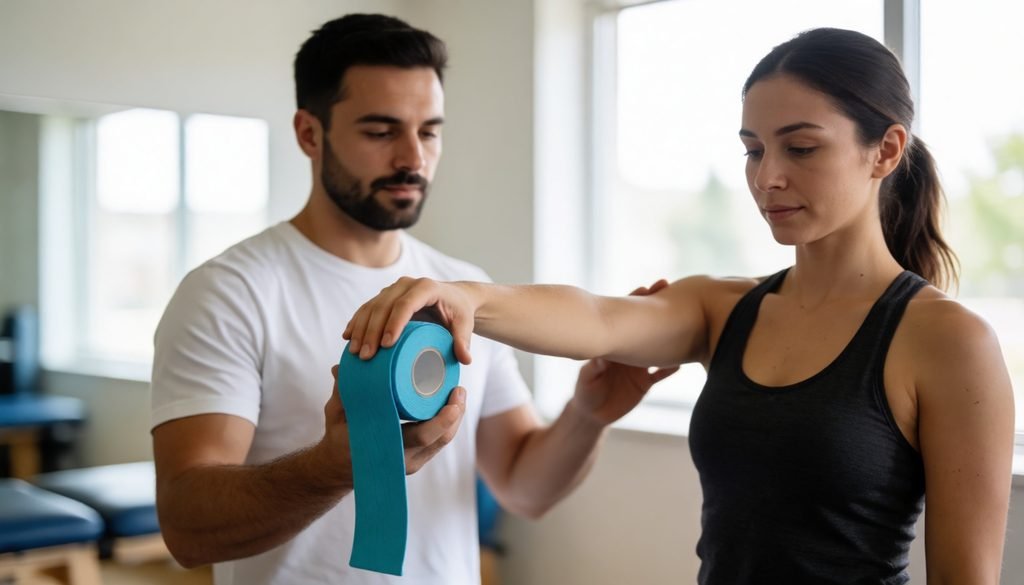
KT tape offers light, temporary help for muscles, joints, tendons, movement awareness, discomfort, and mild swelling. However, kinesiology tape support does not add strength, firmly stabilize joints, or repair tissue. Results vary between people.
Supportive kinesiology taping should be treated as an extra aid, not a complete treatment. Before applying it, decide which body area needs help and why. Then choose an application that matches that purpose. Stop using the tape if pain, swelling, or skin irritation worsens.