
That ache along your shin shows up again, right on cue. Shins hurt for more reasons than most people expect. Overuse, weak calves, sudden training changes, old injuries, extra body weight — they can all pile up together. Some causes build slowly, day after day. Others hit fast, after one hard session. And here’s the tricky part: shin discomfort can feel the same no matter what’s behind it. So the ache alone won’t tell you the real cause. This guide breaks down seven causes worth knowing, one at a time.
Overuse and Repeated Activity
Too much running, jumping, or time on hard surfaces wears on your shins fast. Your body needs recovery time between hard sessions. That part often gets skipped. When rest doesn’t happen, small strains never get the chance to heal properly. They just keep piling up, session after session. This kind of pain rarely comes from one bad workout. It builds slowly, from doing the same motion again and again, without enough breaks in between. Runners feel this often, especially on concrete or asphalt instead of softer ground. The irritation can start small — just a dull ache after a run — and grow sharper if nothing changes.
Weakness, Tight Calf Muscles, and Foot Mechanics

Weak calves force other muscles and tendons to pick up the slack. Over time, that extra strain travels down into the shin. Tight calf muscles make it worse, pulling on the tissue around the shin bone with every single step you take. Poor foot mechanics add another layer on top. A flat arch or an unusual walking pattern can shift how weight lands on the leg. Tight calf muscles paired with weak support muscles often show up together, not one at a time. Mayo Clinic notes that wearing proper footwear and modifying your exercise routine can help. Tightness through the calves limits how far the ankle can bend, pushing more stress upward into the shin.
Sudden Training Increases
You add an extra run this week. A harder session the week after. It feels like progress. Your shins may see it a little differently. Can overtraining cause leg pain? Often, yes — especially when the increase comes too fast for your body to keep up. Longer distances, tougher workouts, and extra sessions all pile on load at once, without giving muscles and tissue enough time to adjust. Leg pain caused by excessive training tends to show up within days, not months. Soreness after rapid training increases is a common warning sign — one that’s easy to brush off until the ache refuses to quit.
Bone Stress Reaction and Gradual Changes

Some shin pain doesn’t come from soft tissue at all. It comes from the bone itself. A bone stress reaction happens when repeated loading wears down bone faster than the body can rebuild it. Unlike a sudden fracture, this kind of damage builds slowly, often without one clear moment when it started. The ache may feel dull at first, then sharper with continued activity. It’s easy to mistake for a normal ache and keep pushing through it. According to Hospital for Special Surgery, understanding how stress fractures differ from shin splints can help you catch the problem early. This isn’t about getting older. Bone stress reaction can happen at any age when load outpaces recovery. Stress-related changes within the bone often need rest, not just stretching, to fully settle.
Extra Body Weight and Shin Pressure
Every step sends force straight up through your shins. Body weight plays a big part in how much force that is. Carry extra pounds, and that load builds fast, stride after stride. This isn’t about blame. It’s simple physics. More weight moving over the same bones and tissue means more stress with every step you take. So does extra weight affect running? It often does, especially over long distances. Additional weight during each stride puts steady pressure on the shin that wasn’t there before. And body weight may increase loading on tissue that’s already working hard just to keep up with training.
Previous Shin Problems
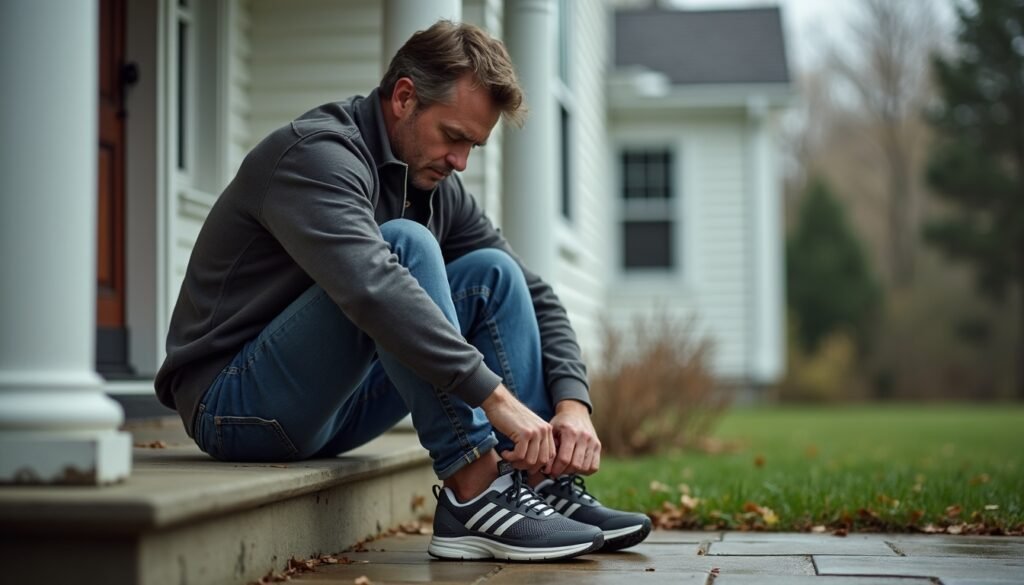
An old shin injury can quiet down for a while, then come back without warning. It rarely means something new went wrong. Often, the area never fully returned to how it used to work. Why old injuries flare up is a question worth asking, especially when the pain feels familiar. According to Waterbury Hospital, old injuries can quietly change the way you move, even after the pain seems gone for good. Previous problems can become painful again during a hard training block or a sudden return to activity. Earlier injuries may cause recurring symptoms long after the original issue seemed to heal. If this keeps happening, it’s worth getting a professional opinion.
Conclusion
Shin pain rarely comes from just one thing. Overuse, tight calves, sudden training jumps, bone stress, extra weight, old injuries — any of these can play a part, sometimes more than one at once. And here’s the real takeaway: the ache itself won’t tell you which cause is behind it. Two people can feel the exact same pain along the shin for two completely different reasons. So if your shins hurt and the pain sticks around, gets worse, or keeps coming back, don’t just guess and hope it fades on its own. That kind of ache deserves a real look, not another round of waiting it out.