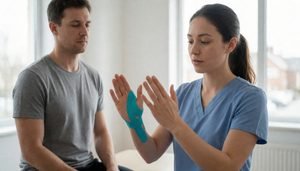
Quadriceps pain can make everyday movements such as walking, climbing stairs, standing from a chair, or exercising uncomfortable. Seven common causes include too much activity, muscle weakness, tightness, sudden injury, repeated tendon loading, increased everyday demand, and previous strains. Several factors may contribute together, particularly when activity rises faster than the body can recover. Notice when symptoms started, which movements trigger them, and whether swelling, bruising, weakness, or reduced movement appears. These details can provide useful clues, but symptoms alone cannot identify the affected tissue or confirm the exact cause without a professional assessment.
Overuse and Repeated Activity
The quadriceps work repeatedly during running, jumping, squatting, and lifting. These activities are not automatically harmful. Problems may begin when training distance, weight, repetitions, or intensity rises faster than the muscles can adapt and recover. Quadriceps discomfort may then appear as aching, fatigue, or tightness after running and squats, especially after a new or unusually demanding session. Thigh tightness after repeated exercise does not prove an injury, but it may show that the current workload exceeds recovery. A British Journal of Sports Medicine review discusses how large weekly changes in training load may increase injury risk. Temporarily reducing aggravating activity and rebuilding gradually may help. Persistent or worsening symptoms need professional assessment.
Muscle Weakness and Tightness

Strong glute and core muscles help steady the pelvis and thigh during walking, running, squatting, and lifting. When these muscles lack strength or endurance, movement control may decline as fatigue builds, increasing the work required from the quadriceps. Tight hip flexors, hamstrings, or lower-back muscles may also restrict comfortable movement and change how force travels through the legs. These factors can raise the question, why do my legs ache? Possible reasons for aching legs include muscle fatigue, sudden workload changes, altered movement, or other health conditions. Pain alone cannot prove weakness or tightness. Gradual strengthening and gentle mobility work may improve control when comfortable. Seek professional assessment if aching persists, strength decreases, or normal movement becomes difficult.
Sudden Sprints and Explosive Movements
A sudden sprint, jump, kick, or rapid direction change can make the quadriceps contract with great force. When that force exceeds the muscle’s capacity, the result may range from a mild strain to a larger strain or muscle tear. Sudden pain, weakness, bruising, swelling, or difficulty walking may follow. This raises a question: when should swelling be checked? NHS guidance recommends urgent help when swelling or bruising is severe or worsening, putting weight on the leg is difficult, or the area appears deformed. Understanding when swelling needs professional assessment helps prevent a serious injury being overlooked. Stop the activity and avoid testing the leg. A pop, numbness, major weakness, or inability to walk requires prompt medical care.
Repetitive Tendon Strain

The quadriceps tendon connects the thigh muscles to the kneecap and helps straighten the knee. Repeated running, jumping, squatting, or lifting can load this tendon many times. When demand rises faster than recovery, symptoms may develop gradually rather than after one clear injury. Front thigh soreness may occur near the lower quadriceps or just above the kneecap, sometimes with stiffness, tenderness, or aching during movement. Soreness in the front thigh does not automatically confirm a tendon problem because muscles, joints, and nearby tissues can feel similar. Cleveland Clinic explains that repetitive activities can contribute to tendonitis. Reducing aggravating activity and rebuilding load gradually may help. Persistent pain, swelling, or weakness needs professional assessment.
Body Weight and Everyday Muscle Loading

The quadriceps support body weight whenever you walk, climb stairs, rise from a chair, or exercise. If everyday or training demands increase, these muscles may work harder and fatigue sooner. This can lead someone to wonder, why do my legs ache? Aching caused by increased leg loading may become more noticeable on hills, during repeated stair use, or after longer periods of activity. Body weight may influence muscular demand, but it is only one factor. Strength, fitness, movement habits, recovery, previous injuries, footwear, and health conditions may also shape how the legs respond. Gradually increasing activity and building strength may improve tolerance. Seek professional assessment if aching persists or occurs with unusual swelling, weakness, or difficulty walking.
Previous Strains and Ongoing Problems
An earlier quadriceps strain may seem healed before full strength, flexibility, coordination, and workload tolerance have returned. Remaining limitations may stay hidden during walking or light exercise, then appear when sprinting, jumping, kicking, or heavy lifting resumes. A sports muscle injury can also change movement habits, leading someone to protect one leg or place greater demand on nearby muscles. Likewise, a muscle injury caused during sport may become painful again when training increases faster than the recovering area can manage. Returning symptoms do not always mean another tear, but recurring discomfort deserves attention. Seek professional assessment when pain repeatedly returns, strength remains reduced, swelling appears, or the leg cannot manage normal exercise and sport comfortably.
Conclusion
Quadriceps pain may result from overuse, muscle weakness, tightness, sudden explosive movement, repeated tendon loading, increased everyday demand, or an earlier strain. Several factors may overlap, particularly when training or activity increases faster than the body can recover. However, pain in the front thigh cannot reveal which tissue is affected or confirm a diagnosis. Notice what triggers symptoms and whether swelling, bruising, weakness, or limited movement appears. Reduce activities that worsen discomfort, then return gradually when comfortable. Arrange professional assessment if symptoms persist, become severe, follow an injury, or interfere with walking, stairs, and exercise.