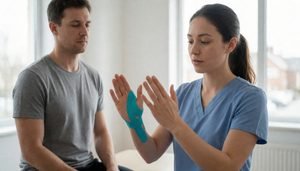
Achilles pain can make walking, climbing stairs, running, or pushing off the ground uncomfortable. It may appear suddenly after one forceful movement or build gradually when repeated activity outpaces recovery. Rapid training increases, weak calves, limited ankle movement, tight muscles, body weight, gradual tendon changes, and previous injuries may all contribute. These factors can overlap, increasing discomfort in the Achilles tendon during work, sport, or daily movement. Because different problems can produce similar symptoms, pain alone cannot identify the cause. Understanding these patterns can guide safer choices and show when professional assessment may help.
Overuse and Sudden Activity Increases

Running, jumping, hill training, and repeated push-off movements place substantial force through the Achilles tendon. The tendon can usually adapt when activity increases gradually and demanding sessions are followed by enough recovery. Problems may begin when distance, speed, hills, or explosive exercise increase faster than the tendon can adjust. Achilles pain from overuse may appear as morning stiffness, tenderness, or soreness during and after activity. Overuse-related tendon pain can persist when training continues without adequate rest. Gradually increasing training demands allows the tendon time to adapt. If symptoms keep returning, reduce aggravating activity and seek professional guidance before resuming full training, especially if pain changes your walking or worsens.
Weak Ankles, Calves, and Poor Balance

Your calves generate much of the force that lifts the heel and moves the body forward. When weak calf muscles cannot handle that work, the Achilles tendon may take on more stress with every step. Reduced calf strength may also weaken control during landing, jumping, or sudden changes of direction. Poor balance can make the foot less steady, especially on uneven ground. Limited ankle mobility may then alter how the foot rolls forward and shift more force through the tendon. These issues do not guarantee injury, but together they can increase strain. Comfortable calf strengthening, balance practice, and ankle mobility exercises may improve control. Seek professional advice if pain changes your walking or prevents normal activity.
Sudden Injuries and Achilles Tendon Injury
An Achilles tear often happens in an instant. Sprinting, jumping, falling, or changing direction sharply can load the tendon beyond what it can withstand. This Achilles tendon injury may range from a mild strain to a partial or complete rupture. An injury to the Achilles tendon can cause sudden pain, swelling, weakness, or difficulty pushing off the foot. A pop or snap, a feeling of being kicked behind the ankle, or an inability to stand on tiptoe may indicate a serious tear. These warning signs of an Achilles rupture should be assessed promptly. Stop activity, avoid repeatedly testing the tendon, and seek urgent medical care when walking is difficult or a rupture is suspected.
Wear and Tear in the Achilles Tendon

The Achilles tendon is built to handle repeated force, but it also needs time to recover and adapt. When loading remains higher than the tendon can manage, small changes may accumulate instead of settling. Achilles tendinopathy can develop gradually, causing tenderness, aching, or stiffness near the back of the heel. Gradual Achilles tendon changes may feel most noticeable during the first steps after sleep or rest. The tendon may loosen as you move, then become sore again after running, jumping, or prolonged walking. Achilles tendinopathy guidance recommends managing activity and rebuilding tendon capacity gradually. Complete rest is not always necessary, but persistent, worsening, or activity-limiting symptoms should be assessed by a qualified healthcare professional.
Body Weight and Everyday Tendon Loading
The Achilles tendon carries force every time the heel rises and the body moves forward. Walking creates repeated loading, while stairs, running, and jumping increase it further. This connection between body weight and tendon load means a heavier body may place greater demand on the tendon across thousands of daily steps. However, body size alone does not determine whether pain develops. Training changes, time spent standing, calf strength, ankle movement, footwear, and recovery all influence how well the tendon handles that demand. Increased load through the tendon may become more noticeable during long walks or busy workdays. Gradual activity changes, comfortable strengthening, and adequate recovery can help. Persistent pain or reduced mobility deserves professional assessment.
Tight Muscles and Previous Achilles Injuries

The calves and Achilles tendon work together whenever the heel rises during walking, climbing, running, or jumping. Tight calf muscles can restrict how far the ankle bends as the body moves over the foot. This may change how force passes through the tendon. Foot shape, footwear, and the way the foot rolls inward or outward may also affect loading. Earlier strains or tears can leave weakness, stiffness, or reduced confidence during movement. Old Achilles injury symptoms may return when activity increases faster than recovery. Recurring symptoms from an earlier injury do not always mean fresh damage, but repeated flare-ups deserve attention. Gentle mobility and progressive strengthening may help. Seek assessment when pain repeatedly interrupts work or exercise.
Understanding What May Cause Achilles Pain

Overuse, rapid training changes, weakness, restricted ankle movement, sudden injury, gradual tendon changes, body weight, tight calves, and previous problems are all possible Achilles pain causes. Several factors behind tendon discomfort may overlap, which is why symptoms cannot confirm one diagnosis. Mild Achilles pain may improve when aggravating activity is reduced and loading is rebuilt gradually. However, persistent or severe Achilles tendon discomfort needs professional assessment. Seek urgent medical care after a sudden pop, marked swelling, difficulty walking, or an inability to push off the foot, as these signs may indicate a serious tear.