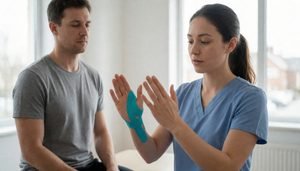
When your knee hurts, even simple movements like walking, climbing stairs, or rising from a chair can feel difficult. The problem may develop after repeated activity, weak or tight muscles, a sudden twist or fall, gradual joint changes, extra body weight, or an earlier injury. Often, more than one factor contributes to knee discomfort. Paying attention to when symptoms began, which movements trigger them, and whether swelling, stiffness, or weakness appears can offer useful clues. However, symptoms cannot confirm the cause. Seek medical assessment if pain is severe, worsening, or repeatedly limits normal movement.
Overuse and Repeated Activity

The knee can usually handle running, lifting, sports, and repeated movement when effort increases gradually and recovery matches the workload. Trouble may begin when distance, weight, speed, or training frequency rises faster than the surrounding tissues can adapt. This often leads people to ask, can overuse cause lasting soreness? It can, particularly when demanding activity continues despite increasing pain or tiredness. Soreness caused by overuse may appear during exercise, later that day, or the following morning. Lasting discomfort from repeated activity does not automatically mean serious damage, but it may show that the knee needs less strain and more recovery. Temporarily reduce aggravating activity, then rebuild the workload in small, comfortable steps.
Muscle Weakness and Tight Leg Muscles
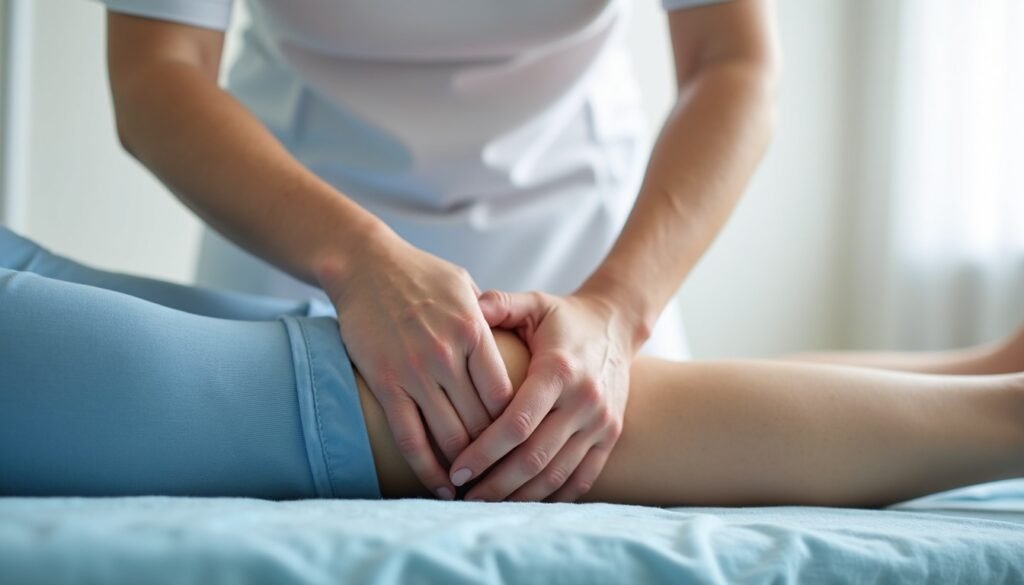
The quadriceps, hamstrings, calves, and hip muscles work together to steady the knee during walking, climbing, lifting, and sport. If these muscles lack strength, the knee may be harder to control and nearby tissues may take on more demand. Tight leg muscles can also limit comfortable movement, especially when the hamstrings, calves, or outer-thigh tissues cannot lengthen easily. This tightness in the surrounding muscles may change how the hip, knee, and ankle share force. Pain alone cannot show which area is weak or restricted. A physiotherapist can check strength and movement, while these knee conditioning exercises from the American Academy of Orthopaedic Surgeons provide examples of strengthening and flexibility work. Start gently and stop if pain worsens.
Sudden Jolts, Twists, and Falls
A knee injury can happen in one moment. A sharp twist, awkward landing, hard fall, or direct impact may force the joint beyond what its tissues can tolerate. Depending on the direction and force, this can strain a muscle or tendon, sprain or tear a ligament, damage cartilage, dislocate the kneecap, or fracture a bone. Pain may begin immediately, followed by swelling, bruising, instability, or difficulty bearing weight. MedlinePlus describes common knee injuries and disorders and when medical care may be needed. Stop the activity and avoid testing the joint repeatedly. Seek prompt assessment if the knee looks deformed, swells rapidly, locks, cannot support your weight, or repeatedly gives way.
Age-Related Joint Changes
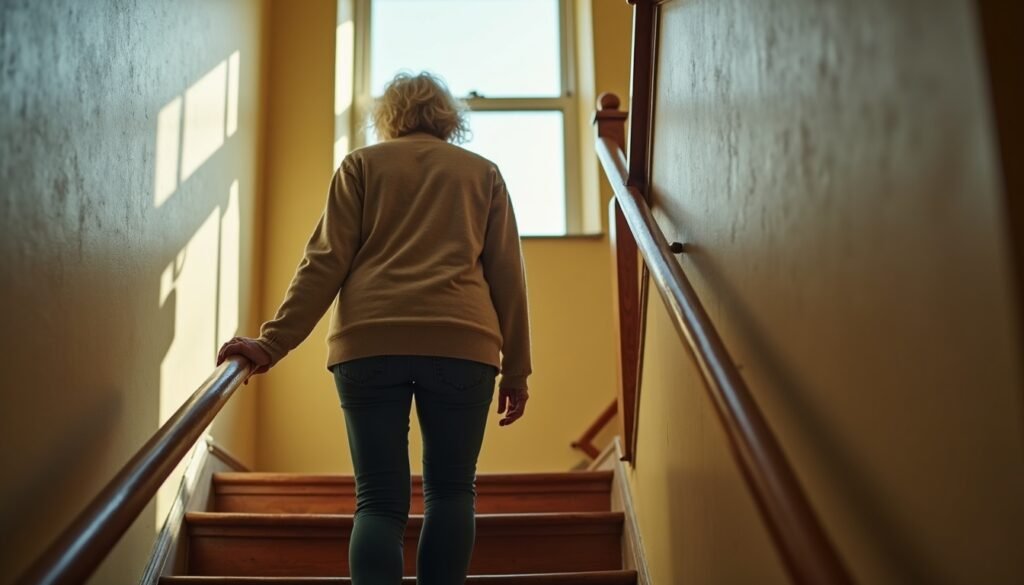
Over time, cartilage may thin, joint surfaces can become less smooth, and the muscles around the knee may lose strength. Osteoarthritis is one possible result, but age by itself does not cause every aching or stiff knee. Age-related joint changes often develop slowly and may cause stiffness after rest, swelling, reduced movement, or pain during walking and stairs. Symptoms can also change from day to day. The NIAMS overview of osteoarthritis and joint health explains what happens to cartilage and other joint tissues. However, gradual wear within the joint visible on an X-ray does not always match how much pain someone feels. A clinician can combine symptoms, movement, strength, and medical history to identify appropriate treatment options.
Extra Body Weight and Knee Pressure

Walking, climbing stairs, and standing repeatedly transfer body force through the knees. This may lead someone to ask, does extra weight affect walking? Carrying more body weight can increase the load each knee manages, particularly on stairs, slopes, and uneven ground. Over thousands of daily steps, additional weight during each step may make existing soreness or stiffness more noticeable. However, weight alone does not determine whether knee pain develops. Strength, fitness, footwear, walking patterns, earlier injuries, and sudden activity changes also matter. Because body weight can change movement differently for every person, support should be practical and respectful. Comfortable activity, gradual strengthening, and appropriate footwear may reduce strain and improve movement without treating weight as the only cause.
Previous Injuries and Ongoing Problems
A knee may feel recovered while small changes in strength, flexibility, balance, or movement control remain. This can help explain why old injuries flare up during running, lifting, sport, or physically demanding work. A former sprain, fracture, cartilage injury, or ligament tear may alter how the joint absorbs and controls force. If rehabilitation stopped before normal capacity returned, previous injuries can become painful again when activity suddenly increases. Still, earlier damage may cause recurring symptoms without being the only possible cause. New overuse, muscle weakness, or a separate injury may also be involved. Consider professional assessment when pain keeps returning, swelling appears, the knee locks or gives way, or symptoms repeatedly limit work, exercise, or everyday movement.
Understanding What May Be Causing Knee Pain
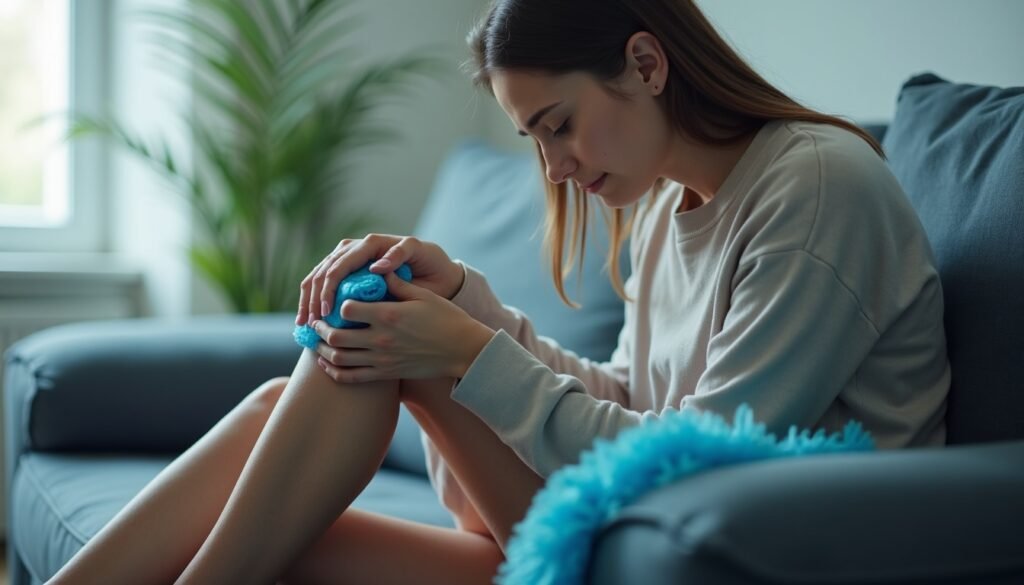
Knee symptoms can develop from overuse, muscle weakness, tightness, sudden injury, gradual joint changes, additional body weight, or an earlier injury. These factors may overlap, which means the pattern or location of pain around the knee cannot confirm its cause. When your knee hurts, notice when it began, what movements aggravate it, and whether swelling, locking, weakness, or instability appears. Reducing irritating activity and returning gradually may help mild symptoms settle. If pain is severe, keeps returning, worsens, or limits walking and daily activities, arrange an assessment to identify the problem and choose appropriate care.