
Lower back pain can turn ordinary movements like standing, bending, or getting out of bed into difficult tasks. This lower back discomfort may appear after one obvious strain or develop gradually from several overlapping factors. Common causes include overworked muscles, repeated movements, poor posture, spinal disc problems, age-related changes, extra body weight, and sudden injuries. Understanding how each problem develops can help you notice patterns and choose sensible next steps. However, symptoms alone cannot reveal the exact cause. Seek medical help if pain is severe, worsening, or accompanied by numbness, weakness, fever, or bladder changes.
Muscle Strain and Repeated Movements
Muscle strains often begin when lifting, twisting, or a sudden movement demands more than the back can comfortably handle. The risk can rise when heavy work is repeated before tired muscles have recovered. So, can repeated lifting cause injury? It can, especially when the load is heavy, held far from the body, or lifted with rushed technique. Injuries from repeated lifting may build slowly, making the cause less obvious. Lifting the same way repeatedly can also overload the same tissues each time. Varying tasks, keeping loads close, using steady movements, and allowing recovery can reduce strain. Stop and seek medical advice if pain is severe or accompanied by weakness, numbness, or bladder changes.
How Poor Sitting Posture Affects Your Spine
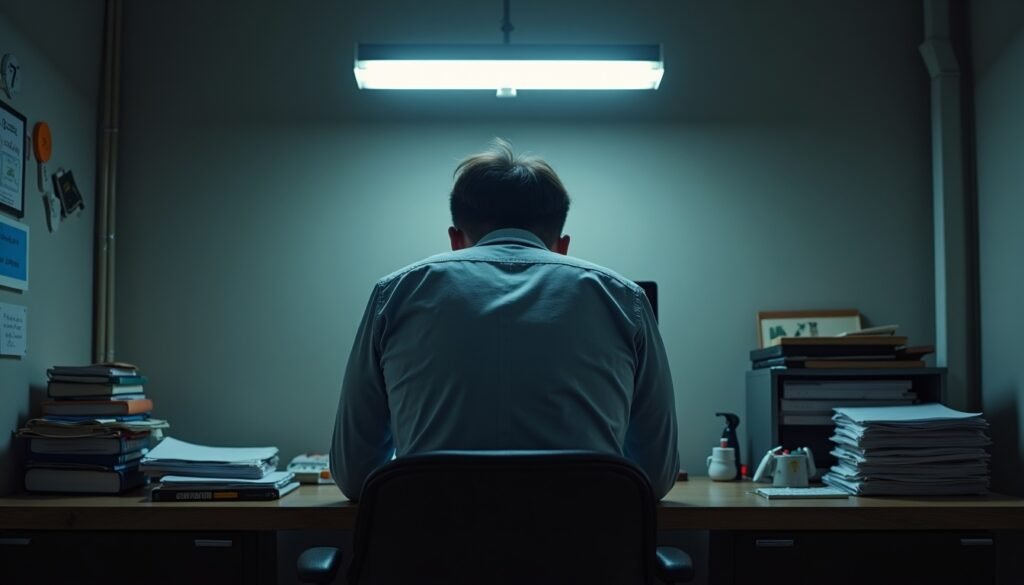
Poor sitting posture often leaves the lower back rounded and unsupported for long periods. Sitting itself does not automatically damage the spine. However, slouching, leaning forward, and staying still can tire supporting muscles and make sensitive tissues feel more uncomfortable. Poor sitting posture may show up as stiffness after desk work, aching when you stand, or discomfort that eases after moving. An unhealthy seated posture becomes more demanding when your chair lacks support, your feet do not rest firmly, or your screen sits too low. Workplace ergonomics guidance can help you adjust chair height, screen position, and back support. Regular movement breaks remain important because no posture stays comfortable when you hold it too long.
Understanding Spinal Disc Problems
Spinal discs cushion the bones of the spine and help the back bend, twist, and absorb force. Spinal disc problems can occur when a disc bulges, tears, or irritates a nearby nerve. Some people feel only back pain, while others develop pain, tingling, numbness, or weakness that travels into one leg. Problems affecting spinal discs do not always cause symptoms. For that reason, a scan finding may not fully explain someone’s discomfort. The National Institute of Arthritis and Musculoskeletal and Skin Diseases offers clear back pain information about causes, diagnosis, and warning signs. Seek prompt medical care when symptoms follow a serious accident, worsen quickly, or include leg weakness, groin numbness, or bladder or bowel changes.
Age-Related Wear and Tear
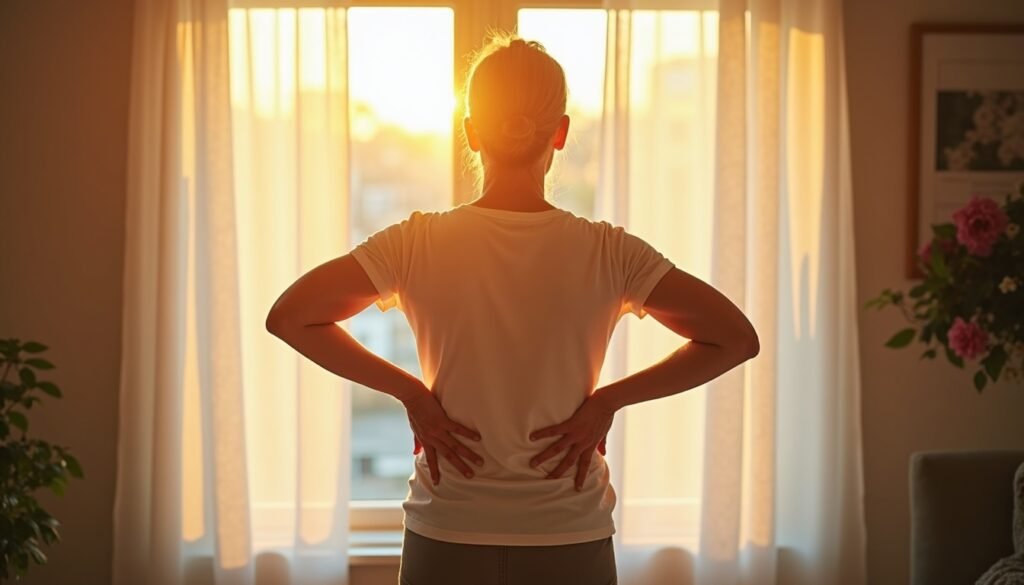
As people age, the spine naturally changes. Discs gradually lose water and become less flexible, while joints may develop arthritis and supporting muscles can weaken. These changes can reduce the back’s ability to absorb pressure, sometimes leading to stiffness or aching during movement. However, age-related findings on an X-ray or scan do not always cause symptoms, and getting older does not mean severe back pain is inevitable. Regular walking, strength exercises, and gentle mobility work can help preserve function and confidence. A clinician can assess persistent pain and recommend appropriate treatment. Seek prompt care if discomfort becomes intense, follows a fall, or occurs with numbness, weakness, fever, unexplained weight loss, or bladder or bowel changes.
Extra Body Weight and Spinal Pressure
Carrying extra body weight can increase the load placed on the lower back during standing, walking, climbing stairs, and lifting. This added demand may tire supporting muscles or make existing joint and disc problems feel more uncomfortable. People often ask, how does extra weight affect joints? Higher loads can increase pressure through weight-bearing joints, but body size alone cannot identify the cause of back pain. Although additional weight can strain joints, fitness, strength, sleep, injury history, and daily activity also matter. Managing body weight and joint pressure should focus on realistic, supportive changes rather than rapid weight loss. Gradual walking, strengthening, and balanced nutrition may improve comfort and movement. Seek professional guidance if pain makes exercise difficult.
Falls, Sports Impacts, and Accidents
A hard fall, sports collision, or car crash can force the lower back beyond what its muscles, ligaments, discs, and bones can safely tolerate. This may cause a strain, sprain, disc injury, or fracture. Pain can start immediately, but stiffness, bruising, or swelling may develop later. If you are asking when should an injury be checked, consider both the impact and the symptoms. Important signs an injury needs assessment include severe or worsening pain, trouble standing, leg weakness, or spreading numbness. NHS guidance explains when to seek medical care after an injury. Get urgent help after a major accident or for groin numbness, loss of bladder or bowel control, or weakness in both legs.
Conclusion

Back pain rarely points to one simple cause. Muscles, joints, discs, body weight, daily habits, and past injuries can overlap, so similar symptoms may have different explanations. Recognizing patterns helps you avoid movements that worsen symptoms and describe changes clearly to a healthcare professional. Many cases of lower back pain improve with gentle activity, time, and suitable care. However, persistent or worsening pain in the lower spine should be assessed. Seek urgent medical help after a serious accident or if you develop fever, leg weakness, groin numbness, or loss of bladder or bowel control.